📞  — free, 24/7
— free, 24/7 — free, 24/7Products for managing gout and gout attacks, including medications for acute pain and inflammation, long-term urate-lowering therapies, colchicine and NSAID options, supplements and lifestyle aids, and supportive care for swollen, painful joints and foot comfort.
Products for managing gout and gout attacks, including medications for acute pain and inflammation, long-term urate-lowering therapies, colchicine and NSAID options, supplements and lifestyle aids, and supportive care for swollen, painful joints and foot comfort.
Gout is a form of inflammatory arthritis caused by deposits of uric acid crystals in joints and surrounding tissues. Medications in this category address both immediate inflammation during flare-ups and longer‑term control of uric acid levels to reduce the frequency and severity of attacks. Treatments are prescribed to relieve pain, limit joint damage, and prevent complications such as tophi (collections of urate crystals) or recurrent episodes that impair daily activities.
People typically use drugs from this category in two main contexts: acute management of painful flares and chronic prevention. Acute therapies aim to reduce inflammation and pain quickly when an attack occurs, while preventive therapies lower blood uric acid over weeks to months to reduce the risk of future flares. Some prescriptions are intended for short‑term use during an episode, whereas others are taken continuously as part of a long‑term management plan.
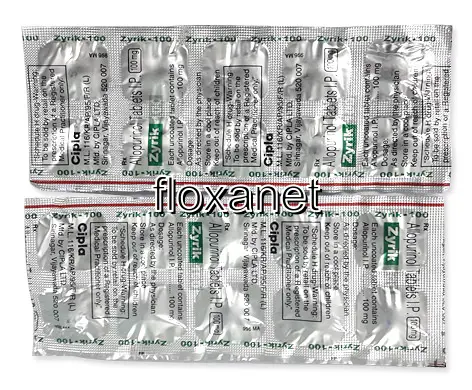
The category contains several classes of medicines. Urate‑lowering agents reduce uric acid production or increase its excretion; common examples include xanthine oxidase inhibitors such as allopurinol and uricosuric agents like probenecid. For flare control, anti‑inflammatory drugs are used — colchicine is a long‑established option for many patients, and nonsteroidal anti‑inflammatory drugs (NSAIDs) or corticosteroids are alternatives when appropriate. Formulations vary from short‑acting tablets used during attacks to maintenance tablets taken daily to maintain lower uric acid levels.
Safety considerations are an important part of selecting and using these medicines. Individual responses, side effect profiles and potential drug interactions differ across agents; gastrointestinal upset, changes in kidney function, allergic reactions and rare but serious hypersensitivity syndromes are among reported concerns. Certain medications require dose adjustment in kidney impairment or when used with other drugs. Monitoring — for example, periodic laboratory tests or clinical review — is often part of safe use, and prescribers weigh risks and benefits for each person.
When choosing a specific medicine, users commonly consider how quickly it works, how often it must be taken, how it interacts with other prescriptions, and its side effect profile. Practical factors such as pill size, availability of different strengths, and whether monitoring visits or blood tests are needed also influence decisions. For many people, tolerability and the impact on existing medical conditions are decisive elements when comparing options.
In clinical practice, management often combines short‑term measures to control inflammation with longer‑term strategies to maintain lower uric acid levels and reduce recurrence. Medication selection, dosing and duration are individualized based on the pattern of attacks, kidney function, other medical conditions and concomitant medications. Clear information about how a chosen medicine fits into an overall plan helps people understand expectations for symptom relief and ongoing management.