📞  — free, 24/7
— free, 24/7 — free, 24/7| Package | Price per Dose | Price | |
|---|---|---|---|
| 360 pills | €0.69 | €333.92 €250.44 Free shipping | |
| 180 pills | €0.74 | €178.52 €133.89 | |
| 120 pills | €1.02 | €161.99 €121.49 | |
| 90 pills | €1.17 | €140.50 €105.38 | |
| 60 pills | €1.28 | €101.92 €76.44 | |
| 30 pills | €2.07 | €82.81 €62.10 | |
| 360 pills | €1.02 | €487.66 €365.75 Free shipping | |
| 180 pills | €1.15 | €276.06 €207.05 Free shipping | |
| 120 pills | €1.29 | €206.63 €154.97 | |
| 90 pills | €1.41 | €170.26 €127.69 | |
| 60 pills | €1.70 | €135.54 €101.66 | |
| 30 pills | €2.48 | €99.17 €74.38 |
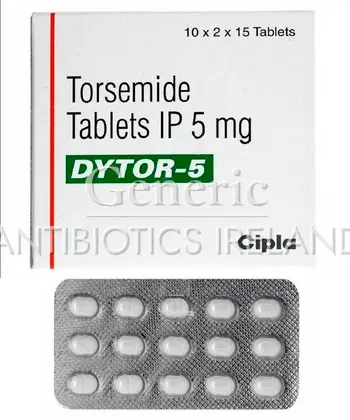
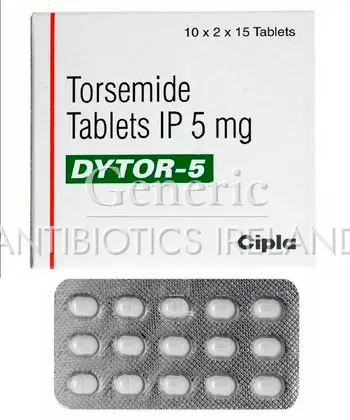
Torasemide is a loop diuretic used to remove excess fluid from the body. It helps with conditions such as heart failure, liver cirrhosis and certain kidney disorders. In online pharmacies it is described as a reliable option with good oral absorption and a longer action than some other diuretics. The substance is available in several strengths and branded or generic forms. This review focuses on practical facts you may need when considering torasemide as part of treatment.
The medicine acts on the thick part of the loop of Henle in the kidney. It blocks a transporter that moves sodium, potassium and chloride ions. By doing so, more salt and water are expelled in the urine. The result is reduced fluid buildup and sometimes lower blood pressure. Many patients notice faster relief from swelling and feelings of fullness. The onset is usually within an hour or so, with the effect lasting through the day for many people.
Torasemide is prescribed for edema caused by heart failure, cirrhosis or kidney disease. It can also be used when there is fluid overload that affects breathing or mobility. In some cases, it may be added to other blood pressure medicines to help control fluid levels. It is not a primary treatment for high blood pressure, but it can contribute to overall cardiovascular management when fluid status is a concern. Your doctor will decide if torasemide is appropriate for your situation.
Adult dosing is individualized. A common starting point is a low oral dose, then gradually increased based on response and tolerance. Doses are typically taken once daily, in the morning, with water. Tablet strengths are usually 5 mg, 10 mg or 20 mg, and doctors may adjust in small increments. Some patients need higher amounts, while others respond well to lower doses. Patients with liver or kidney problems may require slower adjustments and closer monitoring. Do not change the dose on your own.
The advantages of torasemide include reliable diuretic action and relatively predictable absorption. It can be easier to tailor than some older diuretics and may have less day-to-day variation in effect for certain patients. A notable consideration is the risk of electrolyte imbalance. Loss of potassium, sodium or magnesium can occur and may affect energy, heart rhythm or muscle function. Dehydration, dizziness and low blood pressure are possible, especially after a dose change. Regular follow‑up tests of kidney function and electrolytes help reduce these risks.
Common issues include increased urination, thirst, and lightheadedness. People may experience low potassium, low sodium or other electrolyte disturbances. Gout flare can occur in some patients due to higher uric acid levels. Less frequent reactions include dehydration, rash or sensitivity to sunlight. If you notice muscle cramps, confusion, vomiting or fainting, seek medical advice promptly. Always report persistent or severe symptoms to your healthcare provider.
Some medicines interact with torasemide. Nonsteroidal anti‑inflammatory drugs (NSAIDs) can reduce its diuretic effect and raise kidney risk. Other drugs that affect blood pressure or electrolyte balance require careful coordination. Lithium, certain antidepressants, and blood-thinning medicines may also need adjustment. Limit alcohol and avoid dehydration. Tell your doctor about all medicines you take, including over‑the‑counter products and supplements. People with kidney failure, liver disease, gout, or a history of severe electrolyte problems should use torasemide only under medical supervision.
People allergic to loop diuretics or sulfonamides should avoid torasemide. It is not recommended during pregnancy unless clearly needed, and breastfeeding decisions should be made with a clinician. Older adults may be more sensitive to dehydration or electrolyte changes. Those with anuria or severe kidney failure require specialist care. Children’s dosing is determined by pediatric specialists and is not usually the same as adult dosing.
Online pharmacy pages describe torasemide with the active ingredient, strength and form. Check that the product comes from a licensed supplier and has a lot number and expiry date. Store in a cool, dry place away from light and children. Do not use if packaging is damaged. If you are unsure about a product, contact the pharmacy’s support team before purchasing or using it. This helps ensure you receive a genuine medicine with proper labeling and instructions.
Take torasemide as prescribed, preferably in the morning to reduce nighttime urination. Monitor your weight daily and watch for sudden increases, which may signal fluid changes. Keep a log of your blood pressure and report any dizziness or fainting. Limit dehydration by drinking water as advised and avoid excessive salt. Inform your doctor before starting new medicines or supplements, especially NSAIDs. Carry a list of current treatments when visiting healthcare providers, and consult promptly if you notice signs of electrolyte imbalance or unusual symptoms.
14–21 days. Free from €178.66 .
5–9 days. €26.80
−10% when paying with cryptocurrency.
−10% on all repeat orders.
All orders are packed in neutral, unbranded boxes with no product name on the outside.