📞  — free, 24/7
— free, 24/7 — free, 24/7| Package | Price per Dose | Price | |
|---|---|---|---|
| 360 pills | €0.57 | €274.41 €205.81 Free shipping | |
| 180 pills | €0.60 | €142.15 €106.62 | |
| 120 pills | €0.64 | €102.48 €76.86 | |
| 90 pills | €0.68 | €82.64 €61.98 | |
| 60 pills | €0.69 | €56.19 €42.14 | |
| 30 pills | €0.74 | €29.74 €22.31 | |
| 120 pills | €0.81 | €128.93 €96.70 | |
| 90 pills | €0.86 | €102.48 €76.86 | |
| 60 pills | €0.95 | €76.03 €57.02 | |
| 30 pills | €1.13 | €44.62 €33.46 |
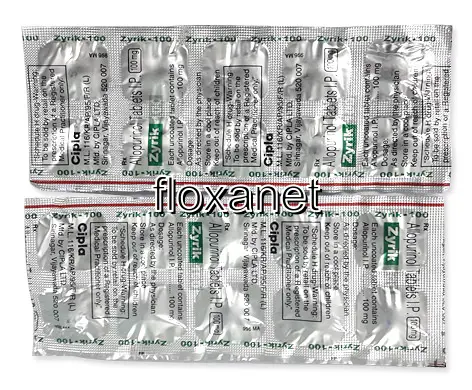
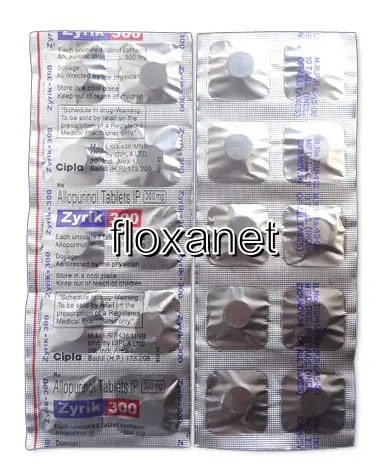
Allopurinol is a widely used medication primarily prescribed to manage gout and certain types of kidney stones. It belongs to a class of drugs known as xanthine oxidase inhibitors. These medications work by reducing the production of uric acid in the body. Elevated uric acid levels can lead to painful gout attacks and the formation of urate crystals in joints and tissues, causing inflammation and discomfort.
Allopurinol functions by blocking the action of xanthine oxidase, an enzyme involved in the metabolism of purines into uric acid. By inhibiting this enzyme, the drug effectively lowers uric acid levels in the bloodstream. This action helps prevent the formation of new urate crystals and dissolves existing ones over time. Consequently, patients often experience fewer episodes of gout attacks and reduced joint inflammation.
This medication is usually taken orally, with the dosage tailored to individual patient needs and medical conditions. It is essential to follow the prescribing doctor’s instructions carefully. Typically, treatment begins with a low dose, which is gradually increased to achieve optimal uric acid control. It may take several weeks of consistent use before patients notice significant improvements. Regular blood tests are often recommended to monitor uric acid levels and adjust the medication dose accordingly.
Many patients find Allopurinol effective in preventing gout flares and managing hyperuricemia. It can significantly decrease the frequency and severity of gout attacks. Additionally, it may help prevent uric acid kidney stones and reduce the risk of joint damage caused by chronic gout. With regular use, many individuals experience an improved quality of life due to fewer painful episodes and less joint swelling.
As with all medications, Allopurinol can cause side effects. Common reactions include rash, gastrointestinal discomfort, and dizziness. Serious but rare side effects may involve allergic reactions, liver function abnormalities, or severe skin reactions. Patients should report any unusual symptoms to their healthcare provider promptly. Since allergic skin reactions can be life-threatening, immediate medical attention is necessary if such symptoms appear.
Before starting Allopurinol, it is crucial to inform your healthcare provider about any existing medical conditions or allergies. The medication may interact with other drugs, including blood thinners, certain antibiotics, and medications that affect liver function. People with kidney or liver problems require careful monitoring during treatment. Pregnant or breastfeeding women should discuss the potential risks and benefits with their doctor.
Allopurinol is often prescribed as a long-term maintenance therapy. Consistent use helps in maintaining uric acid levels within a target range. Patients should not stop taking the medication without consulting their healthcare provider. Regular follow-ups and laboratory tests are essential to ensure the medication's effectiveness and safety over time.
Overall, Allopurinol is an effective and well-established treatment for managing gout and hyperuricemia. Proper usage, adherence to prescribed instructions, and regular medical supervision can maximize the benefits of the medication. While it may cause side effects in some cases, the potential for long-term relief of gout symptoms makes it a vital option for many patients suffering from uric acid-related conditions.
14–21 days. Free from €178.66 .
5–9 days. €26.80
−10% when paying with cryptocurrency.
−10% on all repeat orders.
All orders are packed in neutral, unbranded boxes with no product name on the outside.