📞  — free, 24/7
— free, 24/7 — free, 24/7Supplements and products to support muscle growth, strength, recovery and performance: protein powders and concentrates, mass gainers, creatine, amino acids (BCAAs), pre- and post-workout formulas, recovery aids, joint support and targeted vitamins and minerals for training.
Supplements and products to support muscle growth, strength, recovery and performance: protein powders and concentrates, mass gainers, creatine, amino acids (BCAAs), pre- and post-workout formulas, recovery aids, joint support and targeted vitamins and minerals for training.
Medications grouped under "Bodybuilding" are primarily products that affect hormones, muscle growth, body composition and recovery. Many items in this category act on the endocrine system to influence levels of testosterone, estrogen and related compounds, or they modulate the body's response to those hormones. While some products are prescribed for legitimate medical conditions, others are more commonly associated with efforts to increase lean mass, reduce body fat, or manage hormonal changes after intense training or drug use.
Common use cases cover a range from medically supervised hormone replacement to non‑medical use aimed at physique improvement. In clinical settings, topical or systemic testosterone preparations treat diagnosed low testosterone and its symptoms. In the context of bodybuilding, further uses include short‑term cycles intended to promote muscle gain, agents used to control estrogenic side effects, and medications used after a hormone cycle to help restore natural hormone balance. Use patterns vary widely by purpose, formulation and individual goals.
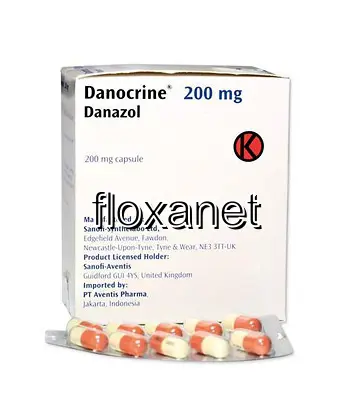
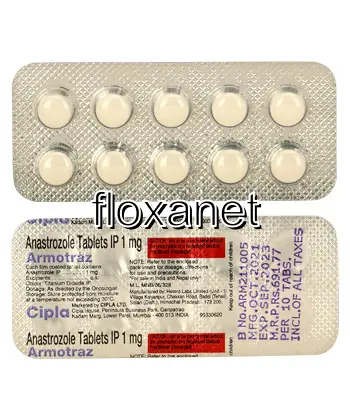
Types of medications found here include testosterone formulations, selective estrogen receptor modulators (SERMs), aromatase inhibitors, and other hormonal modulators. Topical testosterone gels, represented by products such as Androgel, provide a transdermal route for delivering testosterone. SERMs like clomiphene (Clomid, Serophene) and tamoxifen (Nolvadex) interact with estrogen receptors and are often referenced for their role in restoring hormonal equilibrium. Aromatase inhibitors, including anastrozole (Arimidex) and similar compounds sometimes marketed under other names, reduce the conversion of androgens to estrogen. Androgenic agents such as danazol (Danocrine) and newer modulators like Androxal appear less frequently but are also associated with endocrine manipulation.
How these medicines are commonly used depends on formulation, pharmacology and the desired outcome. Topical gels offer steady transdermal delivery while oral pills and injectables differ in onset and duration of effect. SERMs and aromatase inhibitors are used in different stages to manage estrogenic activity or to support hormonal recovery after suppression. Patterns such as cyclical dosing, combination use and tapering strategies are part of the landscape, though specific regimens and their implications depend on product characteristics and regulatory status.
Safety considerations are important to note in neutral, factual terms. Hormone‑modulating medicines can produce a range of effects beyond muscle and strength changes, including impacts on cardiovascular health, liver function, mood, reproductive function and metabolic parameters. Drug interactions and individual variability in response can alter both efficacy and risk. Regulatory frameworks vary by country, and some products require a prescription or are controlled; issues with counterfeit or mislabeled products have been reported in markets where demand outpaces oversight. Product quality, proper storage and clear labeling are relevant concerns for consumers.
When choosing among options, users commonly evaluate formulation (topical, oral, injectable), onset and duration of action, documented side‑effect profiles, and whether a product is prescription‑only or available over the counter in their jurisdiction. Additional considerations include laboratory testing information provided by the manufacturer or third parties, purity and manufacturing standards, packaging and storage requirements, and compatibility with other medications or supplements being taken. Clear, factual product information and verified sourcing are among the factors people cite when comparing alternatives in this category.