📞  — free, 24/7
— free, 24/7 — free, 24/7Medications used to prevent and treat parasitic infections, including drugs for intestinal worms, protozoal infections (e.g., giardia, malaria), and topical or systemic agents for ectoparasites like lice and scabies. Includes oral and topical formulations.
Medications used to prevent and treat parasitic infections, including drugs for intestinal worms, protozoal infections (e.g., giardia, malaria), and topical or systemic agents for ectoparasites like lice and scabies. Includes oral and topical formulations.
Antiparasitics are medicines used to control or eliminate organisms that live on or inside the human body and derive nutrients at the host’s expense. The category covers a broad range of agents aimed at worms (helminths), single-celled parasites (protozoa) and external parasites such as lice and mites. These products work by targeting biological features of the parasite that differ from human cells, producing effects such as paralysis of the parasite, disruption of its metabolism, or direct damage to parasite cells. Antiparasitics are an important part of global public health and routine clinical care for specific infections.
Common use cases include intestinal worm infections like roundworm, pinworm and tapeworm, tissue-invasive helminth infections, and protozoal illnesses such as giardiasis or trichomoniasis. External infestations such as scabies and head lice are typically managed with topical antiparasitic agents. Some antiparasitics are used for single-dose mass-treatment programs in areas where certain parasites are endemic, while others are prescribed for individual, laboratory-confirmed infections. Indications vary by drug, parasite type and geographic considerations.
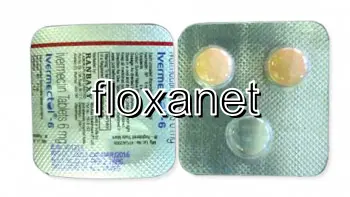
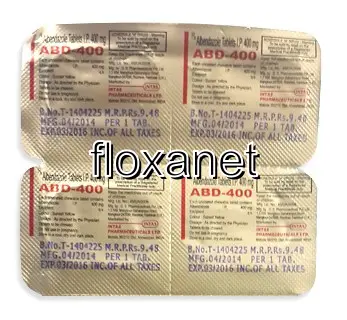
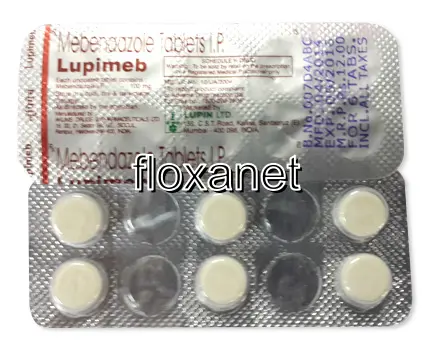
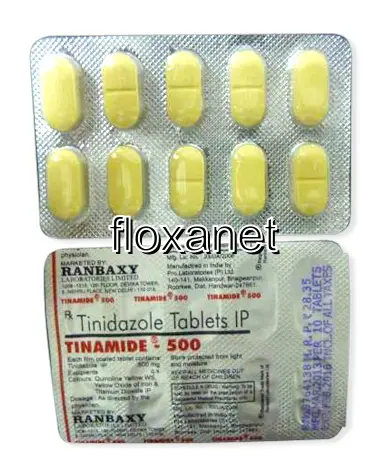
Medications in this group represent several chemical classes and mechanisms of action. Benzimidazoles such as albendazole and mebendazole interfere with parasite energy metabolism and are frequently used against many intestinal worms. Macrocyclic lactones such as ivermectin cause paralysis of certain nematodes and ectoparasites. Praziquantel is commonly used against various fluke and tapeworm infections by increasing parasite membrane permeability. Nitroimidazoles such as tinidazole act against many protozoa by damaging their DNA. Selection depends on the parasite species, infection site and drug properties.
General safety considerations reflect that antiparasitic drugs vary in tolerability and potential effects. Common side effects reported with different agents include gastrointestinal upset, headache or dizziness, and occasionally allergic reactions or transient laboratory changes. Some medicines have specific restrictions or cautions for use during pregnancy, in young children, or in people with certain medical conditions. Drug interactions and the need for screening tests or follow-up measurements differ between agents, so patient factors and the specific medication profile are relevant to safety assessments.
When comparing options, users often look at the spectrum of activity (which parasites the medicine targets), dosing regimen (single dose versus a course of treatment), formulation (oral tablet, suspension, or topical cream), and known side-effect profiles. Regulatory status, such as whether a product requires a prescription or is available over the counter in a particular jurisdiction, also influences choice. For some conditions, the availability of pediatric formulations or ease of administration can be important considerations for families.
Formulation and practical aspects vary: oral tablets and suspensions are typical for systemic infections, while lotions and creams address skin infestations. Some agents are effective with a single dose, while others require multiple days of treatment or repeat dosing to cover parasite life cycles. Storage instructions, stability and clear labeling of strength and duration are relevant to safe use. Information about how a product is supplied—such as tablet strengths or tube sizes for topical preparations—can help users match a formulation to their needs and preferences.