📞  — free, 24/7
— free, 24/7 — free, 24/7Urinary health products for prevention, diagnosis and symptom relief of bladder and urinary tract conditions. Items include UTI symptom relief and prescription treatments, cranberry and probiotic supplements, test strips, catheter and incontinence supplies, and bladder care aids.
Urinary health products for prevention, diagnosis and symptom relief of bladder and urinary tract conditions. Items include UTI symptom relief and prescription treatments, cranberry and probiotic supplements, test strips, catheter and incontinence supplies, and bladder care aids.
Medications for urinary health address a range of conditions that affect the bladder, urethra and lower urinary tract. These products are intended to help manage symptoms such as urinary urgency, frequency, incontinence, difficulty starting urination, bladder spasms and discomfort. Some medicines act on nerve signals to the bladder, others relax smooth muscle, and a few target the causes of infection or inflammation. The common goal is to improve daily comfort and quality of life by reducing disruptive urinary symptoms.
Common use cases include overactive bladder symptoms like sudden urges and leakage, urinary retention or weak urine stream related to prostate enlargement, bladder spasms after surgery or neurological injury, and symptomatic relief from nonbacterial bladder irritation. Certain agents are used long term to control chronic symptoms, while others are intended for short-term relief or for specific procedural or postoperative situations. People often seek these products when lifestyle measures are insufficient to control symptoms alone.
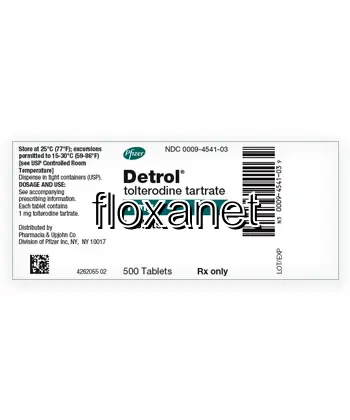
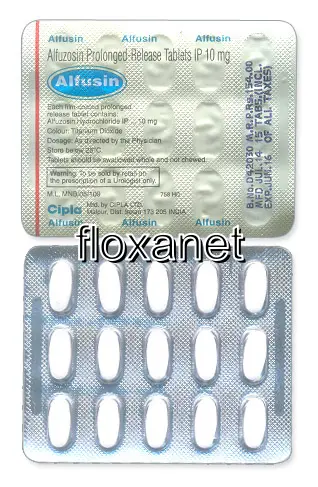
The category covers several types of medications. Antimuscarinic agents and beta-3 agonists work by calming bladder muscle activity to reduce urgency and frequency. Alpha-blockers relax smooth muscle in the prostate and bladder neck to ease urine flow in people with prostate-related obstruction. Topical and transdermal options can provide local effects for some forms of incontinence. There are also drugs aimed at relieving bladder spasms or addressing pain and irritation. Examples of well-known medicines used for these purposes include drugs that target bladder overactivity, agents that target prostate-related urinary obstruction, and formulations designed for transdermal application.
General safety considerations are important because many urinary medications can cause side effects or interact with other treatments. Common adverse effects may include dry mouth, constipation, dizziness, lightheadedness, or blurred vision with some bladder-targeted drugs, while blood pressure or heart-rate changes can occur with others. People taking multiple medications, or those with certain health conditions such as uncontrolled high blood pressure, glaucoma, or severe liver or kidney disease, often require closer monitoring. It is typical for clinicians to weigh potential benefits against risks and to consider dose adjustments or alternative therapies if side effects arise.
Formulation and route of administration play a role in how people choose a product. Oral tablets are widely available and familiar, while extended-release versions may provide steadier symptom control with once-daily dosing. Topical patches or gels can be preferred by those who have difficulty swallowing pills or who wish to avoid systemic exposure, and immediate-release formulations may be used when rapid symptom relief is needed. Ease of use, dosing frequency, onset of effect and tolerability are common factors consumers evaluate along with safety considerations.
When selecting a urinary health medication, people typically look for effectiveness for their specific symptoms, a favorable side-effect profile, convenience of dosing, and whether the option has been used widely and studied in people with similar conditions. Information from a healthcare professional and product information about how the medication works, expected benefits, potential side effects and monitoring needs usually informs decisions. Supportive measures such as pelvic-floor exercises, fluid management and lifestyle adjustments are often considered alongside medication to achieve the best outcomes for daily function and comfort.