📞  — free, 24/7
— free, 24/7 — free, 24/7Medications and prescription treatments for Parkinson's disease, including levodopa preparations, dopamine agonists, MAO-B and COMT inhibitors, anticholinergics and formulations for managing motor symptoms, off-time and some non-motor effects (tablets, patches, inhaled or extended-release options).
Medications and prescription treatments for Parkinson's disease, including levodopa preparations, dopamine agonists, MAO-B and COMT inhibitors, anticholinergics and formulations for managing motor symptoms, off-time and some non-motor effects (tablets, patches, inhaled or extended-release options).
Parkinson's disease is a progressive neurological condition that mainly affects movement. Medications in this area are intended to manage the motor features commonly associated with the condition, such as tremor, stiffness, slowed movement and balance changes. The goal of drug therapy is to improve functional ability and quality of life by addressing the underlying neurotransmitter imbalances that contribute to these symptoms, while recognizing that individual responses and treatment paths vary widely.
Treatment approaches differ according to symptom profile and stage. Some medicines are used early to control tremor or rigidity, while others are introduced later to address fluctuations in mobility and response that can develop after long-term treatment. Specific products are formulated for immediate relief of symptoms or for more sustained effect over many hours, and some options are paired with other agents to extend symptom control or reduce particular side effects associated with single agents.
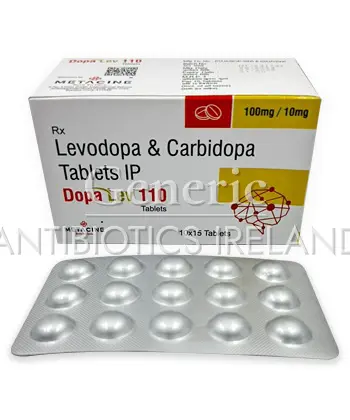
Different classes of drugs are represented in this category. Levodopa preparations and combination products such as carbidopa/levodopa formulations are commonly used to replenish dopamine activity that is reduced in Parkinson’s. Dopamine agonists such as pramipexole (Mirapex) and ropinirole (Requip) act on dopamine receptors and can be prescribed for a range of stages. Monoamine oxidase B inhibitors like selegiline (Eldepryl) influence dopamine metabolism. Anticholinergic agents such as trihexyphenidyl (Artane) and procyclidine (Kemadrin) may help with tremor in some people, and amantadine (Symmetrel) can be used for particular symptoms, including certain movement complications. Combination medicines such as controlled-release formulations or products that include COMT inhibitors (for example, Stalevo) are also available to address wearing-off and dosing frequency.
Safety considerations are an important part of choosing and using these medicines. Commonly reported effects differ by drug class and can include nausea, lightheadedness, excessive daytime sleepiness, vivid dreams or hallucinations, and involuntary movements (dyskinesias). Some agents may affect blood pressure or mood, and cases of impulse-control changes have been associated with certain dopamine agonists. Timing of doses relative to food, co‑medications, and gradual adjustment of dose are factors that influence both effectiveness and tolerability. Because each medicine has a distinct profile, trade-offs between benefits and side effects are typically weighed when medication choices are made.
When people compare options they often focus on how well a medicine improves specific symptoms, how long the effect lasts, how often doses must be taken, side-effect risks and practical aspects such as pill size or controlled‑release versus immediate‑release forms. Availability of combination products, potential interactions with other treatments, and how a particular regimen fits with daily routines or work schedules are also frequent considerations. Information on typical uses and what to expect from different classes can help consumers understand the range of therapies commonly employed for Parkinsonian symptoms.