📞  — free, 24/7
— free, 24/7 — free, 24/7Medications and products for osteoporosis and low bone density, including prescription bone-strengthening therapies (bisphosphonates, denosumab, teriparatide), calcium and vitamin D supplements, fracture-prevention aids and bone-health monitoring supplies.
Medications and products for osteoporosis and low bone density, including prescription bone-strengthening therapies (bisphosphonates, denosumab, teriparatide), calcium and vitamin D supplements, fracture-prevention aids and bone-health monitoring supplies.
Medications in the Osteoporosis category are drugs and supplements used to support bone strength and reduce the risk of fractures associated with low bone density. These products target the biological processes that govern bone breakdown and formation, aiming to slow loss of bone mass or, in some cases, stimulate new bone growth. The category covers a range of approaches from simple mineral supplements to prescription therapies that alter bone metabolism.
Common uses include prevention and treatment of osteoporosis related to aging and hormonal changes, management of bone loss caused by long‑term corticosteroid use, and care for people with certain medical conditions that affect calcium and bone balance. In many cases the goal is to reduce the likelihood of fractures in the hip, spine and wrist, which are frequent sites of injury when bones become fragile. Use often follows evaluation of fracture risk and bone density measurement.
The types of medications found in this category reflect different mechanisms of action. Antiresorptive drugs, such as bisphosphonates, reduce the activity of cells that break down bone. Anabolic agents work by stimulating new bone formation. There are also mineral and vitamin supplements, notably calcium preparations and activated forms of vitamin D, that support normal bone mineralization and calcium balance. Newer biological agents target specific signaling pathways involved in bone remodeling.
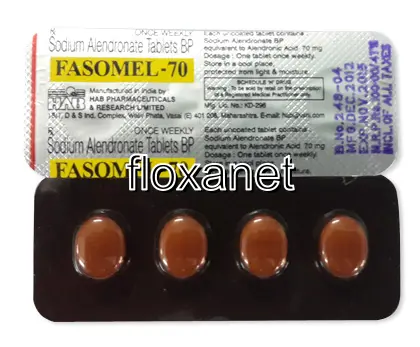
Examples of well-known or typical medicines include oral bisphosphonates such as alendronate, commonly used to slow bone loss; calcium supplements like calcium carbonate that provide elemental calcium for bone mineral needs; and activated vitamin D compounds such as alfacalcidol (often seen under names like Alfacip) and calcitriol (sometimes called Rocaltrol), which help regulate calcium metabolism. The category also encompasses injectable or specialty therapies that may be prescribed for higher risk individuals.
General safety considerations span common side effects and less frequent but important risks. Some oral therapies can cause gastrointestinal discomfort or irritation, and certain agents have been associated with rare events affecting bone or dental health. Supplements and vitamin D analogs can alter blood calcium levels, and some prescription treatments require monitoring of kidney function or bone density over time. Potential interactions with other medications are another reason these treatments are managed within a clinical context.
When people search for osteoporosis medicines they commonly compare effectiveness for fracture prevention, route and frequency of administration, tolerability and known side effects, and whether a treatment is suitable given other health conditions or medications. Formulation and convenience—tablet, liquid, injection—and whether a product is available only by prescription are also frequent considerations. Treatment choices are typically individualized based on medical history, risk profile and monitoring needs.