📞  — free, 24/7
— free, 24/7 — free, 24/7| Package | Price per Dose | Price | |
|---|---|---|---|
| 120 pills | €1.24 | €148.53 | |
| 90 pills | €1.41 | €127.49 | |
| 60 pills | €1.67 | €100.26 | |
| 30 pills | €1.89 | €56.93 | |
| 120 pills | €1.42 | €170.82 | |
| 90 pills | €1.68 | €151.01 | |
| 60 pills | €1.98 | €118.83 | |
| 30 pills | €2.35 | €70.55 | |
| 120 pills | €1.98 | €237.66 Free shipping | |
| 90 pills | €2.18 | €195.57 Free shipping | |
| 60 pills | €2.35 | €141.11 | |
| 30 pills | €2.60 | €77.97 |
Disclaimer: This information is for general guidance and does not replace professional medical advice. Always talk to your doctor or pharmacist about your treatment and any safety concerns.
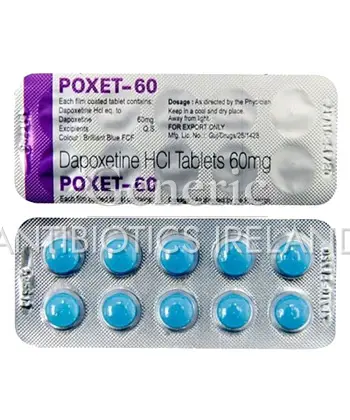
You may have heard of poxet as a treatment option for inflammatory skin conditions. You and your healthcare team will decide if it is right for you based on your symptoms and medical history. Poxet works to calm the skin’s redness and itching that come with flare‑ups.
Poxet is a prescription‑type medicine that may be available through an online pharmacy in Ireland, depending on local rules. It is designed to reduce the activity of the immune system in the skin and to help your symptoms improve over time. Your pharmacist can help you understand how it fits with other medicines you take.
Before starting poxet, you should review its leaflet with your pharmacist. If you have questions about how poxet might affect you, ask for a quick safety check. Remember that medicines can behave differently from person to person, so your plan may be tailored to you.
The aim in this page is to explain safety clearly. If anything here raises concern for you, contact your pharmacist or GP promptly. In Ireland, your prescription status may depend on local rules, so always confirm with a healthcare professional.
Poxet may not be suitable for everyone. Some people should avoid it or use it only under very careful supervision. If any of the following apply to you, tell your doctor or pharmacist before starting poxet.
You have a known allergy to poxet or to any of its ingredients. A severe allergic reaction can be dangerous and requires immediate medical help. Your healthcare team will review ingredients and may suggest alternatives.
You have severely impaired liver or kidney function. Your doctor may need to adjust treatment or choose another option. Do not start poxet without medical advice if you have ongoing liver or kidney problems.
You have an active infection that has not been treated. Infections can worsen with medicines that affect the immune system. Your clinician may delay therapy until the infection is resolved.
You are pregnant, trying to become pregnant, or breastfeeding. The effects of poxet during pregnancy or while feeding a baby are not fully known. Your clinician will weigh risks and benefits for you and your baby.
You have a history of certain cancers or immune disorders. Poxet can interact with immune system activity, so your physician will review your history carefully.
You are under the age of 18, or you have other medical conditions that your doctor needs to assess. Pediatric use, if considered, will be guided by a specialist and local rules.
You are taking other medicines that can interact with poxet. Do not start poxet until your pharmacist has checked all your current medicines, including vitamins and herbal products.
When you start poxet, you and your healthcare team will set up a plan to monitor your safety and how well the medicine is working. Regular check‑ups help catch any problems early. You may need blood tests or other monitoring as part of your shared plan.
You should report new symptoms promptly. Some may be mild, while others could require medical attention. In the box below, you’ll see examples of signals to watch for and what to do next.
There are situations where safety is particularly important. If you develop signs of infection, unusual tiredness, swelling, or severe skin reactions, seek medical advice urgently. If you have trouble breathing, severe dizziness, or swelling of the face or lips, seek urgent medical help immediately.
Your clinician may adjust your treatment if safety concerns arise or if you plan to have surgery. Do not stop poxet suddenly without medical guidance, as this can affect your condition and how you feel.
Skin and rash: Some people notice dry skin, redness, or mild rashes. These are usually manageable but should be reported if persistent or worsening.
Gastrointestinal: You may feel stomach upset or diarrhea. Taking poxet with food, if advised, can help reduce discomfort. Notify your pharmacist if symptoms are severe or do not improve.
Headache and dizziness: Headache or lightheadedness can occur as your body adjusts. Rest and hydration can help, but report if it disrupts daily activities or persists beyond a few days.
Lethargy or fatigue: A sense of tiredness may be reported. If it interferes with work or safety, discuss it with your clinician to review the plan.
Infrequent skin infections: Because poxet acts on the immune system, some people may notice more infections. If you develop fever, chills, or tender skin, seek medical advice promptly.
Severe allergic reactions are possible, though uncommon. If you experience swelling of the face or lips, severe rash with blistering, or trouble breathing, seek urgent medical help right away.
Severe liver or blood problems are rare but serious possibilities. If you notice dark urine, persistent itching, yellowing of the skin or eyes, extreme fatigue, or easy bruising, contact a clinician promptly.
New or unusual joint pain, chest pain, or changes in mood or behaviour should be checked by a healthcare professional. Your clinician may order tests or adjust treatment.
Your doctor may arrange regular blood tests or other checks to watch how poxet is affecting your body. These checks help catch problems early and guide any adjustments to your plan.
Tell your pharmacist about any medicines you take, including vitamins, minerals, and herbal products. Some substances can interact with poxet and change its effect or safety profile.
Blood glucose, liver enzymes, or lipid levels might be checked if you have risk factors. Always follow the plan your healthcare team agrees with you, and report any concerns between visits.
Interactions can increase the chance of side effects or reduce the benefit of poxet. Your pharmacist will review all medicines you take, including non‑prescription products and supplements. Do not start something new without checking first.
Prescribed medicines: Some medicines may interact in ways that require dose adjustments or closer monitoring. If you are taking other prescription skin medicines, immune therapies, or treatments that affect the immune system, your clinician will coordinate the plan with you.
Over‑the‑counter medicines: Common pain relievers, antacids, vitamins, and herbal products can interact with poxet. Always tell your pharmacist about every product you use, even if it seems harmless.
Foods and alcohol: Certain foods or alcohol can influence how your body handles poxet. Your clinician can advise on any restrictions or timing concerns related to meals and drink.
Supplements and herbal products: Some supplements may interact with poxet or raise safety concerns. Check with your healthcare team before starting any new supplements.
If you take medicines for high blood pressure, cholesterol, diabetes, or autoimmune disorders, there could be important interactions. Your clinician will review your entire list and may adjust therapy as needed. Do not modify doses without guidance.
Biologic or immune‑modulating therapies, vaccines, or cancer medicines may interact with poxet. If you are due for a vaccination or have an upcoming procedure, inform your doctor well in advance.
Oral steroids or other immune drugs could alter how poxet works. Consistent follow‑up visits enable your healthcare team to balance risks and benefits.
Alcohol use is sometimes discouraged or limited while on medications affecting the immune system. If you drink, discuss with your clinician how it fits with poxet and your overall safety plan.
Grapefruit juice and some citrus products can affect certain medicines. If this is relevant to poxet, your pharmacist will explain what to avoid.
Herbal products such as St. John’s wort or ginseng may interact. If you take any herbal products, tell your pharmacist before starting poxet.
Safety data for pregnancy and breastfeeding are important. If you may become pregnant or are breastfeeding, discuss options with your doctor. They will consider the benefits for you and the potential impact on the baby.
Older adults may have a different safety profile due to other conditions or medicines. Your clinician may adjust monitoring frequency or choose a different option if needed.
Children and adolescents require careful assessment. If poxet is considered, it will be guided by a specialist and local rules. Do not give poxet to a child without medical supervision.
In all populations, inform your clinician about your full medical history, allergies, and all medicines you take. This helps tailor the safest approach for you.
Take poxet exactly as prescribed or as advised by your pharmacist. Do not change the dose or the frequency without medical guidance. If you are unsure, ask for a review before making any changes.
Store poxet as directed on the label. Keep medicines out of reach of children and away from heat or moisture. Proper storage supports safety and effectiveness.
If you miss a dose, contact your pharmacist for instructions. Do not double up to make up for a forgotten dose unless told to do so by a clinician.
If you have planned tests or procedures, inform the healthcare team that you are on poxet. They may adjust treatment for the period around the procedure or tests.
Alcohol can interact with medicines that affect the immune system. It may worsen certain side effects or reduce how well poxet works for you. Check with your pharmacist about your specific situation. If you choose to drink, do so in moderation and monitor how you feel, reporting any new symptoms promptly.
Some people feel lightheaded or briefly dizzy after a dose. If you notice any dizziness or slowed reaction time, avoid driving or operating heavy machinery until you know how poxet affects you. Your safety comes first, so take it easy the first days of treatment.
Missing a dose may reduce the benefit you get from poxet. If you realise soon after a missed dose, take it as soon as you remember, unless it is near the time for your next dose. Do not double up unless your healthcare professional instructs you to do so.
Improvements can take several weeks and vary by person. If you do not notice any changes after a few weeks, or if your symptoms worsen, talk to your clinician. They may adjust your plan or suggest alternatives.
Stopping suddenly can sometimes lead to a rebound effect or make symptoms return more quickly. Do not stop without discussing with your doctor. A supervised plan is often best to ensure safety and effectiveness.
Some people on medicines like poxet may have changes in blood test results. Your clinician will tell you which tests apply to you and how to interpret them. Do not assume abnormal results are always due to poxet; review them with your healthcare team.
Although rare, medicines like poxet can affect the liver in some people. You may be asked to monitor symptoms such as persistent yellowing of the skin, dark urine, or abdominal pain. If you notice such signs, contact your clinician promptly.
Yes, some supplements can interact with poxet. Always tell your pharmacist about all vitamins, minerals, and herbs you take. They can help you assess safety and avoid potential interactions.
Safety during pregnancy or breastfeeding is not fully known. Your clinician will discuss the risks and benefits with you. Do not start or continue therapy without professional advice if you are pregnant or planning a pregnancy, or if you are breastfeeding.
Discuss any concerns with your doctor. They may adjust the treatment plan or consider alternative therapies. Do not assume lack of effect means you should stop without guidance.
Severe reactions require urgent medical attention. Seek immediate help if you experience swelling of the face or lips, a very widespread rash with blistering, or trouble breathing. Do not wait to see if symptoms improve—get help right away.
Ask your pharmacist for the official patient information leaflet that accompanies poxet. You can also consult your GP for a detailed safety review. Rely on trusted sources and never use information from unverified online posts to guide safety decisions.
Your pharmacist is a key resource for understanding how poxet fits with your medicines and daily life. They can help with questions about interactions, side effects, and monitoring plans. Your GP can coordinate ongoing care and tests as needed.
If you need written information, request the official patient information leaflet for poxet from your pharmacist. It contains detailed safety notes, potential side effects, and instructions tailored to your region.
For emergencies or severe reactions, seek urgent medical help without delay. If you have safety concerns or symptoms that worry you, contact your healthcare team as soon as possible for reassurance and guidance.
In Ireland, the exact availability and prescription requirements for poxet may vary by local rules. Always confirm with a clinician or pharmacist about how to obtain this medicine in your area and what monitoring is appropriate for you.
Bring a current list of all medicines you take, including over‑the‑counter products and supplements. This helps ensure you get the safest possible plan when starting poxet.
Ask about what to expect in the first few weeks, which side effects to report, and how to manage common issues. A quick conversation can save you time and improve safety.
Keep a small notes page to track symptoms, mood, and energy levels. Share any concerns with your pharmacist during your next visit so they can help tailor your care.
Remember that safety comes first. If you are unsure about how poxet interacts with something you plan to take, ask before you proceed. Your clinician and pharmacist are there to help you stay safe and comfortable.
14–21 days. Free from €178.37 .
5–9 days. €26.76
−10% when paying with cryptocurrency.
−10% on all repeat orders.
All orders are packed in neutral, unbranded boxes with no product name on the outside.