📞  — free, 24/7
— free, 24/7 — free, 24/7Products for diagnosing and managing thyroid conditions, including hormone replacement (levothyroxine, liothyronine), antithyroid medications, supplements and related dosing aids. Information covers dosing, monitoring (TSH/T4), interactions and common side effects.
Products for diagnosing and managing thyroid conditions, including hormone replacement (levothyroxine, liothyronine), antithyroid medications, supplements and related dosing aids. Information covers dosing, monitoring (TSH/T4), interactions and common side effects.
Thyroid medicines are preparations that influence the production, supply and balance of thyroid hormones in the body. They are used to replace insufficient natural hormone production, to supply a faster‑acting form of hormone when needed, or to adjust overall hormone balance for specific clinical situations. The drugs in this section are focused on regulating metabolic processes that are controlled by the thyroid gland and on maintaining stable hormone levels over time.
Common use cases include treatment of underactive thyroid function where the body does not produce enough thyroid hormone, management after surgical removal of the thyroid, and support during certain diagnostic or therapeutic approaches to thyroid disease. Some formulations are intended for long‑term daily replacement, while others are used for short‑term correction or to achieve a targeted effect more quickly. Use patterns depend on the clinical goal and individual patient needs.
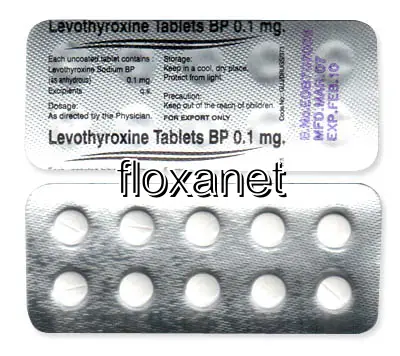
Two main chemical approaches are typically available: levothyroxine products that provide a synthetic form of the major circulating thyroid hormone, and liothyronine products that supply the more active, faster‑acting form. Examples of well‑known preparations include synthroid and levothroid (both levothyroxine formulations) and cytomel (a liothyronine formulation). Combination or alternative formulations, including some desiccated thyroid extracts, are also encountered, and choices are often based on how a person responds to a given preparation.
Formulations come in various dosage strengths and physical formats, most commonly oral tablets but also liquid solutions and injectable forms used in specific clinical settings. Consistent dosing and steady blood levels are important for predictable effect, so available strengths and ease of administration are practical considerations. Some people find one formulation or brand more tolerable or easier to manage than another, which can influence selection when multiple equivalent options exist.
General safety considerations revolve around appropriate dosing, monitoring and awareness of potential interactions. Thyroid medicines have systemic effects and can influence heart rate, body temperature, and metabolism; monitoring of hormone levels through laboratory tests is a routine part of management to ensure doses remain appropriate. They can interact with several common supplements and medications, and timing of administration relative to food and other pills can affect absorption. Side effects or changes in symptoms may prompt dose adjustments in some situations.
When people look for thyroid medicines they commonly consider the specific active ingredient, available dosages, formulation type, and whether a product is a generic or a well‑known brand. Other factors that matter include the pharmacy’s ability to supply consistent product batches, clear labeling for dosage, storage stability, and options for different formats if swallowing tablets is difficult. Information about how a medicine is typically used, what monitoring is associated with it, and what to expect in terms of onset of effect helps users make informed choices that fit their circumstances.